
An interview with Swallow
Louise Trehy and Mike Mason discuss making Swallow's only LP, why they can finally listen to it now, being touted as "the next Cocteau Twins," and getting sampled (and paid) by The Chemical Brothers.

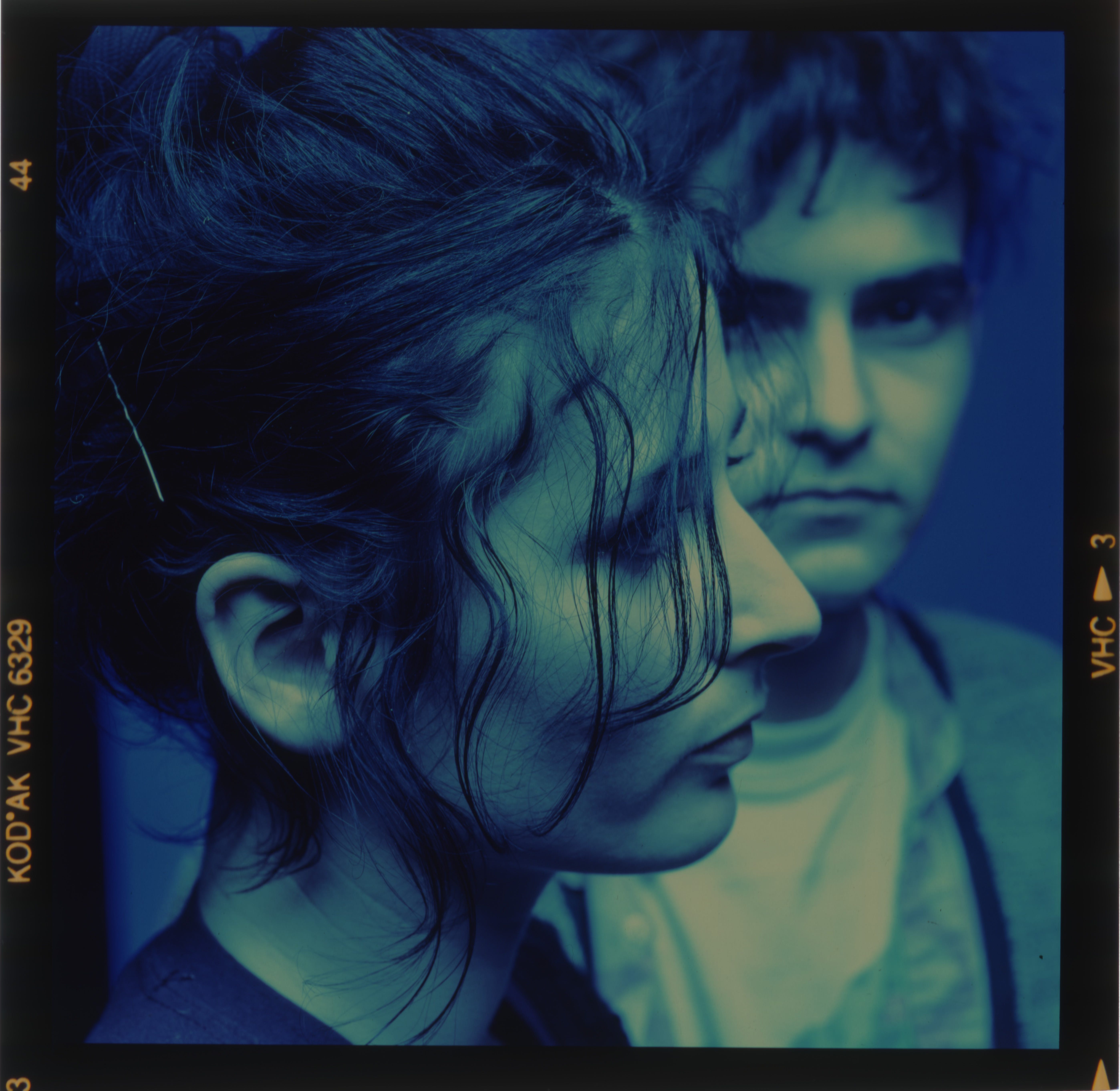
Lately I feel like I’ve been trying to make cases for under-appreciated shoegaze acts of the genre’s original era in my write-ups on Chapterhouse and The Boo Radleys. But in all fairness, both of those bands had their share of success, and to this day are still thriving. If we’re talking about legends of the scene that never got their fair shake though, I think Swallow might actually top such a list.
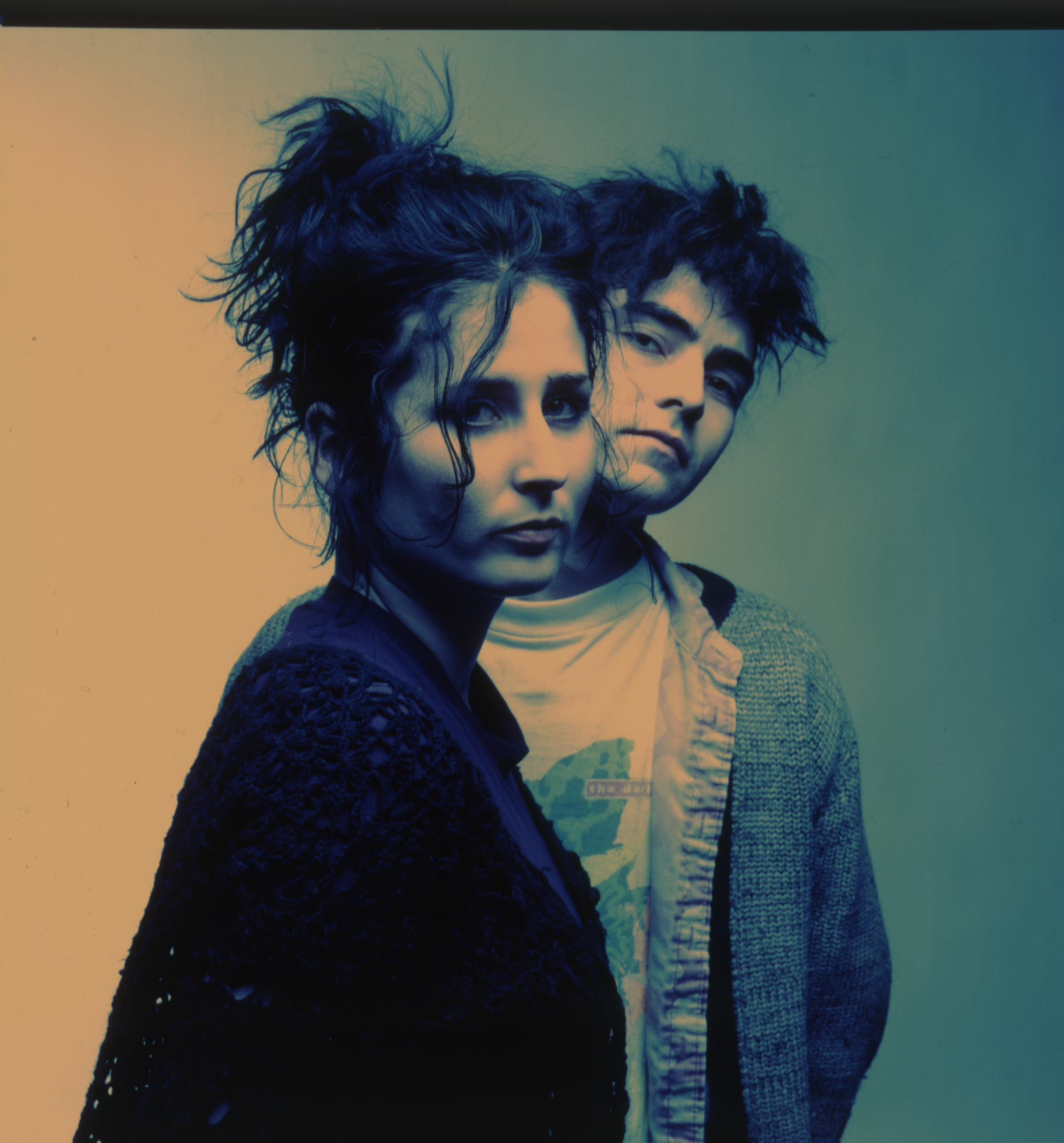
Formed in the early 1990s by Louise Trehy, who co-founded Setanta Records, and Mike Mason, who directed videos for and designed live projections for Slowdive, Spiritualized, Spacemen 3 and Big Black, Swallow were offered a record deal by 4AD’s Ivo Watts-Russell before they were even ready for one. Signed purely on a demo they recorded on a 4-track, the duo were thrust into making a debut album sheerly on their new boss’s confidence in them becoming the next Cocteau Twins.
Produced by John Fryer (Depeche Mode, Cocteau Twins, Nine Inch Nails), Swallow’s debut album wasn’t an easy one to make. Trehy got lost in the process of providing vocals for music that became “enormous” under Fryer’s direction. The album sounded so much grander and different to what they initially imagined that they immediately asked Watts-Russell to rerecord it.
Once it was released in July 1992 (featuring artwork designed by 4AD’s in-house team of 23 Envelope, then Vaughan Oliver and Chris Bigg), Blow arrived just as shoegaze was peaking both critically and commercially. Despite the album’s fresh and inventive spin on the shoegaze sound, Swallow did not become the lucrative moneymaker 4AD was hoping for. And regardless of the positive reviews, the press seemed more interested in using Swallow to belittle their label’s fading influence.
Months later, Swallow managed to radically edit and remix some of the album’s songs for a CD-only companion titled Blowback, but this marked what would be the end of their relationship with 4AD. Two years later, they were signed by Geoff Travis to Rough Trade and released the Hush EP, but as the mid-’90s hit, both the band and label were coming to an end.
I can’t remember exactly when I first picked up a CD copy of Blow, but I can remember that it was purchased without hearing a note of the music. It was the strangely familiar feeling I got from seeing the 23 Envelope on the album’s cover that convinced me it was worth any sum of money.
I can remember, however, how much of a struggle it was to find out anything about Swallow, aside from the credits (this was before the internet had . everything) and the fact that The Chemical Brothers sampled them on “One Too Mornings,” a song I fell madly in love with. All I really knew was that Blow was a perfect 4AD album, consisting of exquisitely-crafted, experimental pop music that gave me the same kind of exhilaration as Cocteau Twins, My Bloody Valentine, This Mortal Coil, Lush and Slowdive.
But Swallow never received the same level of acclaim. While Blow found a modest cult following by heads, it has remained in relative obscurity for decades. In fact, I’ve often thought of it as the most glossed-over shoegaze album of all time. The truest example of an “IYKYK” album.
Thankfully, 4AD has stepped up and given Swallow’s masterpiece its long overdue roses by completely emptying the vault for its reissue. Under the adjusted title of Blown, the album comes both remastered and expanded to include Blowback and an additional two-track single, Sleepers. And with that, a much-needed vinyl repress.
Where did the idea for the reissue of Blow come from? Did 4AD approach you or did you approach them?
Mike Mason: It was a bit of both. I think I said to Louise, “Is it the 30th anniversary? Should we do something?” Then we just asked the same question to 4AD, and then Jason [White, general manager] said, “Funny, you should say that…Yes, let’s do something. We can get the original tapes out of the vaults and see what you can do.” It was a funny time, just after the pandemic or during, I can’t remember, time wise. But the whole process took a long time because everything in the music world was recovering from the pandemic. And there was a lot of backlog with everything. I don’t think we knew what we were going to do. Basically, he just said, “Here the tapes. We will digitize them to see what you can do.” And that was the initial starting point.
When Swallow began, things moved so quickly for the two of you. You basically just recorded some songs, sent it to 4AD and then had a record deal offered to you immediately.
Louise Trehy: I think it was ten days or something. We were just lucky because there wasn’t really a hierarchy. Ivo would open the mail. And he was going up to Edinburgh to see Cocteau Twins in the studio, and said he was gonna listen to it in the car. He listened to it once on the drive, and then he got in touch. And then when he came back, he said he really liked it. I think Mike was on tour, so I went in to meet with Ivo, thinking he might want an EP, because everybody was doing EPs at the time. I think we’d only given him “Peakaboo” and “Tastes Like Honey,” maybe “Blow,” which was another song that we had discarded. Maybe “Show Your Mind.” Literally the first three songs we made. And then he said, “Why don’t you just come and do an album?” But that was four months after we’d started working together.
Mike: Ivo said, “Can you do an album?” And we just said yes. We had to then get the album ready as soon as possible.
How prepared were you for that kind of offer?
Mike: Not prepared at all. We had ideas of songs, but the songs were not finished, and the lyrics certainly weren’t finished. I can cobble things together on the spot, but there were a few things we actually made up in the studio. I didn’t feel we were ready to do it. So, yeah, there were a few tracks we actually made up on the spot, like “Lovesleep.”
Louise: That was all though. We lied. We said we had enough songs.
Mike: It was all on 4-track. We sort of had a way of working, a routine. I would go downstairs, and then Louise would go in, and I’d just write a load of music, and then Louise would pick the one she liked, and then I’d do a new version of it. There would be two or sometimes three versions of a song, and then that was it, then it was done.
Tell me about the Eventide Harmonizer. How important was that in helping you find your sound?
Mike: In our studio we just used… I actually just bought them again, an Alesis MIDIverb, and we linked them all together to get reverb, distortion, stuff like that. And that was it. So when we went to the studio to work with John Fryer, he had his way of working, and they had two Eventide machines there, which I guess were the ones the Cocteau Twins used because it’s the same studio, the same producer. And I think he was plugging everything through that, which is what gave it the sort of similar sound to 4AD and Cocteau Twins. I think when it came out the Cocteau Twins references were mainly because the process and the sonics were very similar to them and that Eventide, spangly sound. It wasn’t initially there on our demos but that that’s what happened in the studio.
I’m not sure if you’ve read Martin Aston’s Facing the Other Way, though I know you were interviewed for it. You don’t describe that studio experience as a pleasant one. How do you look back to your time working with John Fryer?
Louise: Were we complaining about it? I’m sure I’m complaining about it in that book. I haven’t read that book. I regret doing the interview. But I hadn’t really been in the studio before, and the mistake I think we made was that the lyrics weren’t finished and I didn’t put down a guide vocal. So when it came to doing the songs, there was this huge sound that I felt lost in. Some things had happened that, like the structure might change a little bit, or the tempo was a bit faster, but I didn’t know why it didn’t fit in. So while Mike thrived in the studio, I struggled.
Mike: We did all the music at first, and laid everything down, and then we maybe shouldn’t have worked that way. I mean John Fryer was the producer, he was sort of saying, “Let’s just take the song apart, we’ll take these guitar lines, separate them out, and lay it out.” And it became a big sound, when on our demos, it was a much more intimate, textual sound, quite lo-fi and gritty. And that sort of grittiness went and it became bigger and wider. So it did change, and I think Louise struggled a bit. We had to redo vocals in London. That’s what the studio experience was like.
You said that John made the music sound bigger. In the book, Aston wrote that Ivo requested more bass on the album, neither of which you had planned for.
Mike: We had no bass. It was only a guitar and drum machine. But then they said, “Have a go putting bass on.” There was a bass guitar there. And so, we did put bass on some of the tracks, but originally it was just guitar, drum machine and a vocal.
How was your relationship with 4AD while you were making Blow?
Mike: I think when we trying to find a way of working there was a bit of frustration, with us wanting to do things again or try things a different way. I think Ivo might have been getting a bit frustrated. He did get to a point where he said, “No, that’s it. I like what you’ve done.” He did say that. He liked our record and said he wanted to put it out. But then he said, “But if you want to mess around in the studio, go ahead.” And that’s how Blowback started.
So initially you had some reservations about how the finished album sounded, and he let you record Blowback as a consolation?
Louise: I wanted to rerecord the whole thing again. That wasn’t gonna happen though.
Mike: Basically when we went back to the tapes to do our messing around, all the guitar sounds and everything, that’s all printed onto tape. Like if somebody was mixing an album, the effects and the way you mix, all that is done afterwards. You spin it through your up boards, and then you do your mixdown, blah, blah. But basically we were printing down to tape the whole sound. All the reverbs, all the Eventides, all the sound, that was printed down to tape. We couldn’t get rid of it. So all we could do was pull it all back and do a more minimal experimental thing. So we we were listening to things like Brian Eno and stuff like that. We wanted to make it more experimental, so that’s what Blowback was.
Having listened to this album for 30 years, I was quite surprised to hear that Louise, you apparently struggled with your vocals?
Louise: Well, a lot of it had to do with the fact that we were going into the Cocteau Twins studio. I didn’t think I was up to the 4AD kind of singers. I wasn’t one of those. I was more like Miki [Berenyi of Lush], those kinds of singers. And I think Ivo was a little disappointed.
Mike: You have to remember, 4AD was a little bit in a transitional period because Cocteau Twins had left. What else was going on? So Ivo was bringing in some new artists and maybe he was looking for us to be a hit band.
Louise: I don’t know if he thought we would be a hit band, but he thought we had a lot of potential when he signed us. And then we didn’t kind of go the way he thought it would. I don’t know.
I think timing has a lot to do with it too, right? Because Blow came out in 1992 and shoegaze was at its height, but also grunge was becoming very popular, along with British indie music like Suede and PJ Harvey. The music press was focussing more on other types of music. So I feel like you had the music, but the timing just wasn’t right.
Mike: I think we did get attention. I think that the only criticism I remember was the comparison to Cocteau Twins. I think people were thinking that maybe Ivo was trying to replace them in some way. We didn’t really get bad press, I don’t think.
Louise: But I don’t think we got championed the way Slowdive and the other bands did at the height of shoegaze. We didn’t get that. And I felt that we were used as a scapegoat in some ways by Melody Maker and NME, just to have a go at 4AD. There wasn’t really a lot written about the album. It was more of a dig at 4AD and that kind of music being over.
Mike: But we also weren’t a gigging band. We did a few gigs, but a lot of those other bands were actually gigging all the time and doing big shows. There were only two of us. When we first started playing, all I had was a cassette recorder with some drums on it, and it was just total noise, chaos, which was actually probably more interesting. I think Ivo saw us and it was just chaotic noise. Maybe we should have done that on the actual album. It all happened very quickly. We wrote the songs really quickly. We weren’t a gigging band, so it was difficult for us, and we were always struggling to pull it all together.
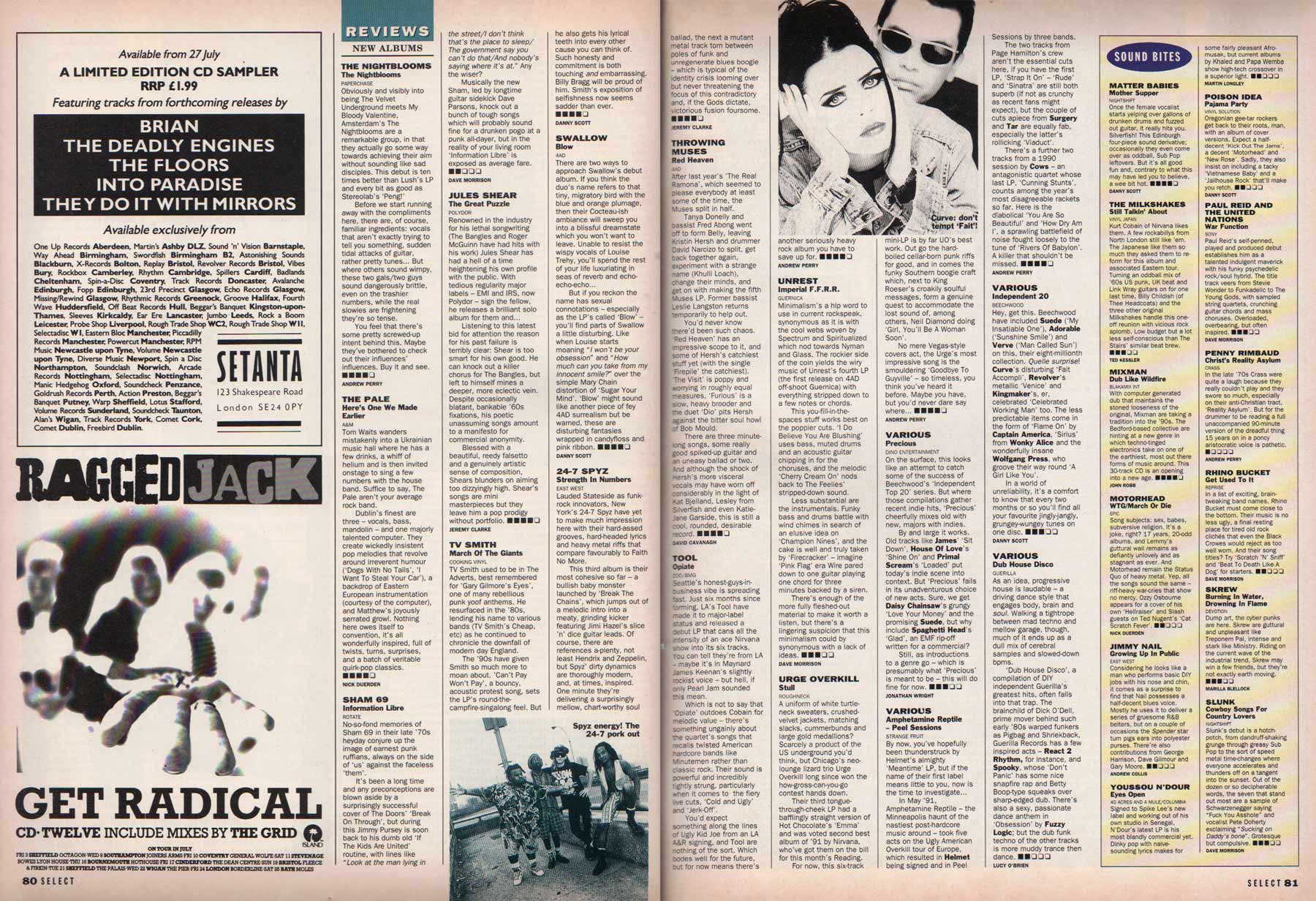
The only review I could find was from Select, which gave it 4/5 but insinuated that the names of the band and album made were sexual connotations. Was that something you were asked about by journalists?
Louise: Oddly no. Not back then. But now, if you’re trying to Google it...
Right. 23Envelope designed the album cover. It has a very distinct 4AD look to it. Did you them any input or did they just run with it?
No, [Vaughan Oliver and Chris Bigg] came up with it. We did actually change something. One thing. The initial cover with the bit of meat, the liver, was totally naked flesh. And we asked if they could tone it down somehow, and then they rephotographed it with tissue paper. That was our only input.
Louise: I think it came off Helen Chadwick’s exhibition, “Piss Flowers.” She also had “Viral Landscapes” and those pictures of meat with blonde hair pieces and stuff.
Mike: We loved Chris and Vaughan. They were such great people.
Louise: You wouldn’t go in with ideas for them though.
Mike: No, no. They were so nuts, and so lovely. They were such lovely people. It was just great to hang out and have a laugh at them, ‘cause we’d just crack up and love anything.
And the artwork’s been slightly altered for the reissue, correct?
Mike: A little bit, yeah. It’s all new. It’s new mixes. We remixed it, and we finished the actual “Blow” track. It wasn’t finished. So I had to work out a way of finishing that track, which took a lot of work. And also the actual tape was damaged. So getting the sound out of those tapes was really difficult, because everything was distorted, a lot of the magnetic material had been destroyed, and I had to redo stuff. If you listen closely, you can hear damaged sounds..
I was actually wondering where the song “Blow” came from, because it wasn’t on the original album.
Mike: I’ll tell you where the inspiration for that song came from. Musically it was a track by The Fall called “Hip Priest.” I thought that was such a great track and thought, “How could we do a track like that?” So that song is me trying to do something like “Hip Priest,” but as Swallow. What I liked about that song was that it has these very quiet passages, and then this chaotic noise that just came in really loud, and then went back to quiet again. I was trying to do something similar to that. And then for the ending, I wanted the song to go right to the end of the groove, like a riff that just goes on and on. I wanted to go on for like 20 minutes.
Has your relationship changed with the album now that it’s been remastered and everything is packaged all together?
Mike: Well, I can listen to it for the first time. I couldn’t really listen to it before; it was too difficult. When you’re working with 4AD, and then it all goes wrong, that is a really difficult point in your life. So I didn’t want to revisit that. It felt a little bit fragile and that’s not really what we wanted. I think what we’ve managed to do is push it more into your face, make it a bit stronger. And now I can listen to it and enjoy it.
Louise: Neither of us listened to it for years. And we started going through the tapes again, because Mike moved closer to me a few years ago. We both got rid of bad partners and we were allowed to see each other and do music together again. I think when I first went down to your place, and we just sat there at the desk, it was fun. It was like going back 30 years, just the two of us again, going, “Oh, that part’s a bit ropey, but it’s fine because our playing and our abilities were limited at the time.” There are some great moments. I did really like going through it track by track and making peace with it.
4AD and the music press labelled Swallow as a shoegaze act. How did you feel about being called shoegaze?
Louise: I think we thought we were on the edges of it. The Valentines claimed they weren’t shoegaze at all, never were. People think that’s all that was happening at the time. I think Miki from Lush said this as well, but we were all seeing other bands at the same time.
Mike: Yeah, I was seeing Sun Ra at the Mean Fiddler and the full ballet. All of our friends and people we were working with were all doing our own thing. Like Curve, Spiritualized, Slowdive and all that, we were all doing our own thing. We weren’t just listening to that music. We listened to all sorts of stuff. Our worlds were much broader than that.
I’ve always felt that Blow was one of the more under-appreciated albums of that era. Do you feel like it ever got its due?
Mike: I think we knew we wrote good songs. We knew that and it’s a shame that things fell apart with Rough Trade. It would have been good if we carried on a bit longer because I think we’re good songwriters. It’s just a shame.
Louise: The timing was always wrong for both of us, because after Rough Trade, I think you lost confidence. We were recording at home because we had that 16-track. I was actually more confident.
Mike: I was sort of having a nervous breakdown at that point because everything seemed to be collapsing. There was a funding problem with Rough Trade, and they went down. So everything just kept falling apart, and then I was starting to have panic attack, and I couldn’t cope. So that was a very difficult point, really.
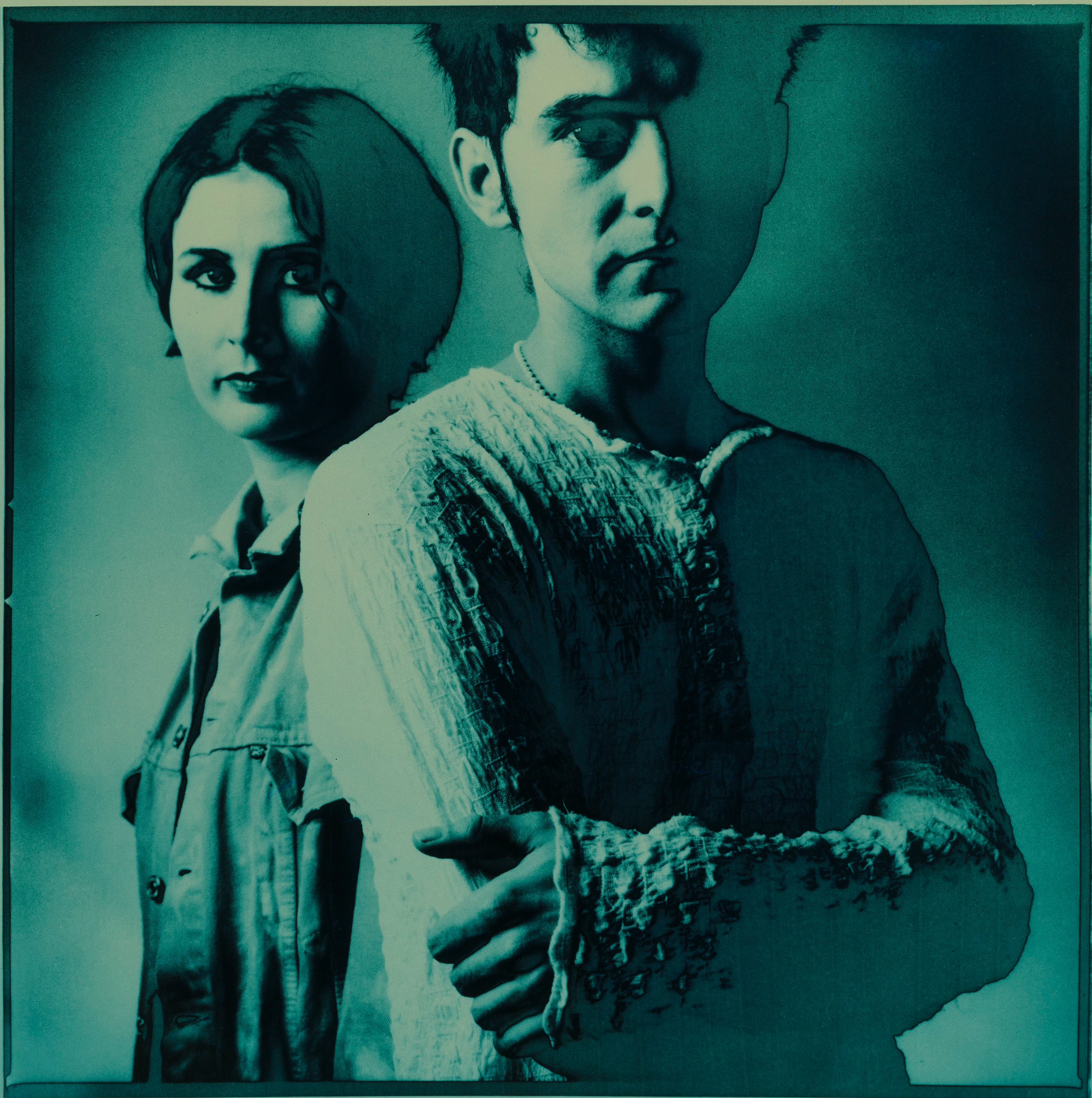
You mentioned Rough Trade, which released your EP Hush in 1994. Years later you compiled that in a digital album called Soft. Do you have any plans to try and reissue Soft too?
Mike: Soft was never complete. We hadn’t actually finished it. We did try and put out some digital version of it, but we didn’t actually finish the recordings.
Louise: You put out Soft without telling me.
Mike: I did, yeah. That was just when the internet was starting to break for releasing music. I think it was MySpace or something like that. But I did speak to Amy and I said, we’ve got all these songs we did for Rough Trade and that they were unfinished, and she said, “Oh, maybe you should try and finish them one day.” So, they are there. Something could happen one day.
I know Swallow played some gigs with Sugar, Medicine, and Mazzy Star, who were also on Rough Trade at one point. What do you remember about playing live?
Mike: The best gig we ever did was with Mazzy Star. We weren’t great live. It was all a bit chaotic. But we finished the Mazzy Star tour in London at the Marquee and we got through the gig. It was the best thing we’d ever done and I was really chuffed that I hadn’t screwed up because I was always screwing up on the guitar. And Geoff Travis came backstage, and he said to me, “Mike, do you ever think of getting somebody else to play the guitar?” And that shattered everything I thought about my performance.
Louise: We didn’t have a band, but then with Mazzy Star we had Alex [Mitchell] and Steve [Monti] playing with us and they were really tight. So we’d gotten much better.
Mike: We actually improved on that tour. At the end of it, we realized that yeah, we could actually do it if we just kept at it. But the other performances were completely chaotic.
Louise: Because we were borrowing equipment…
Has there been any discussion of you two playing gigs to coincide with the reissue?
Mike: Well, yeah, I want to. I did try and do a Swallow song… We’ve just got out of these difficult relationships, and I’ve only just managed to be able to get onto a stage and do music again. So I was doing experimental music in Birmingham and then I tried to do “Lovesleep” as an instrumental, thrown into a sort of an experimental thing, and it sort of worked. And I realized, yeah, we could do it. It would be nice to try and do something. Unfortunately, I’ve had a bit of difficulty in the run up to this album because my mother died and I haven’t been able to do anything else. Otherwise, I would have been trying to put some music together. But I haven’t had the chance to do it. So maybe at the end of the year, I can try some way of supporting the release. I’m not sure.
Finally, what did it mean to have The Chemical Brothers sample "Peekaboo" and "Follow Me Down" for “One Too Many Mornings”?
Louise: We didn’t know who they were [at the time].
Mike: When they sampled it first, they weren’t The Chemical Brothers. They were The Dust Brothers. It was on one of their EPs [Fourteenth Century Sky]. So I told my friend Alex, who was a guitarist from Curve and made electronic music after that, “These guys, The Dust Brothers have just sampled us.” And it wasn’t just that track. They pulled guitars and stuff from Blowback, loads of it. And Alex said, “They’re very famous!” But like Louise said, we didn’t know they were. They were obviously breaking, this new sort of dance act, and everyone was talking about them, but we weren’t listening to that sort of music.
Louise: I remember when we heard it, we thought, “Well, we couldn’t have done that.” We thought it was great.
I imagine there were some royalties paid to you for sampling the music?
Louise: Their manager rang up and said to Mike, who’s terrible with money, “We’ll give you £200 for permission to use this song.”
Mike: And I was like, “Yes! £200!”
Louise: He told me this and I was like, “No!” So I went back and rang them up to get a royalty share. But then they started cutting the royalties.
Mike: So we don’t get much money from it at all anymore. But we did at the beginning.
Louise: And they put a nice comment on my Instagram.